Certified Personal Stylist & Owner of Style Fix Studio in Boston, MA
Closet Audit | Color Analysis | Personal Styling
StyleFixStudio.com

A new interview means a new set of stakes, especially if it marks a real career transition: a leap into a new industry, a return to the workforce after time away, or a step up you’ve been working toward for months. Right when the pressure is highest, the wardrobe question shows up: what should a career woman actually wear? This guide walks through everything from outfit formulas you can pull together tonight to the deeper strategy behind interview wardrobe styling for women, including dress codes, color psychology, industry norms, and the grooming details that separate forgettable candidates from memorable ones.
Quick Answer: What to Wear to a Job Interview as a Woman
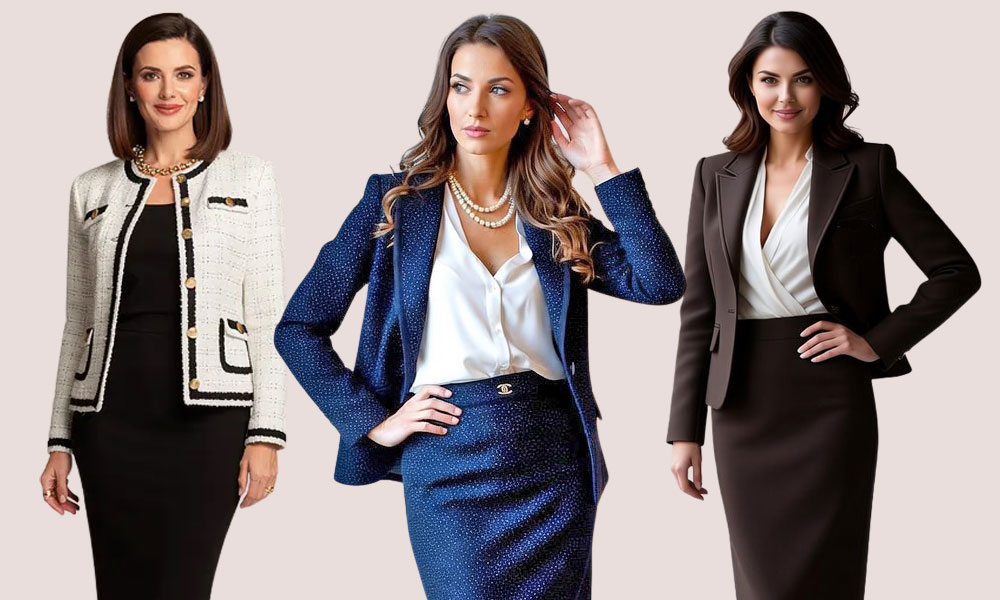
If your interview is coming up fast, here are three interview outfit formulas you can assemble right now. Pick the one closest to your target industry and adapt it with pieces you already own.
Corporate, Finance, or Consulting
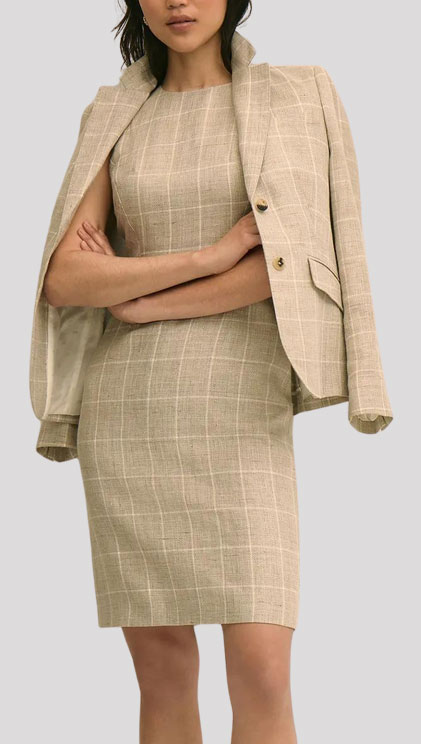
- Navy or charcoal skirt suit, pantsuit, or sheath dress with a matching blazer
- Crisp white or light blue blouse
- Closed-toe pumps, low block heels, or polished flats
- Minimal jewelry, a structured handbag, and a matching belt
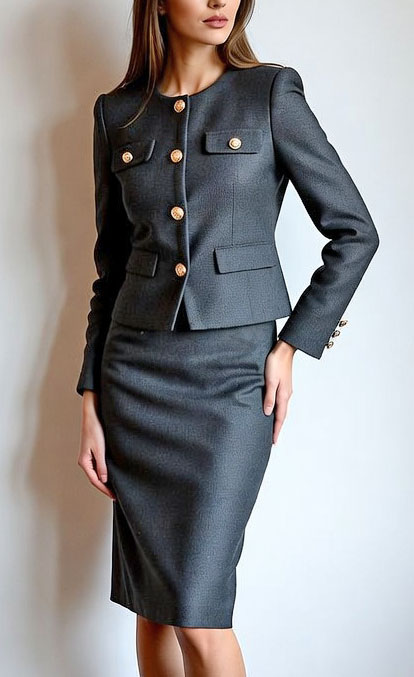
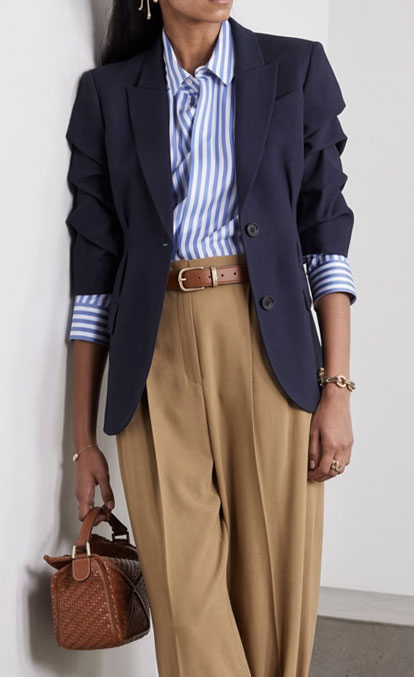
Business Casual Office (Marketing, Mid-Size Tech, Institutions)
- Navy blazer with slim charcoal or camel trousers, or a tailored skirt
- White or pale blue blouse or a polished knit top
- Leather loafers, low heels, or closed-toe flats
- A monochrome leather belt matching your shoes
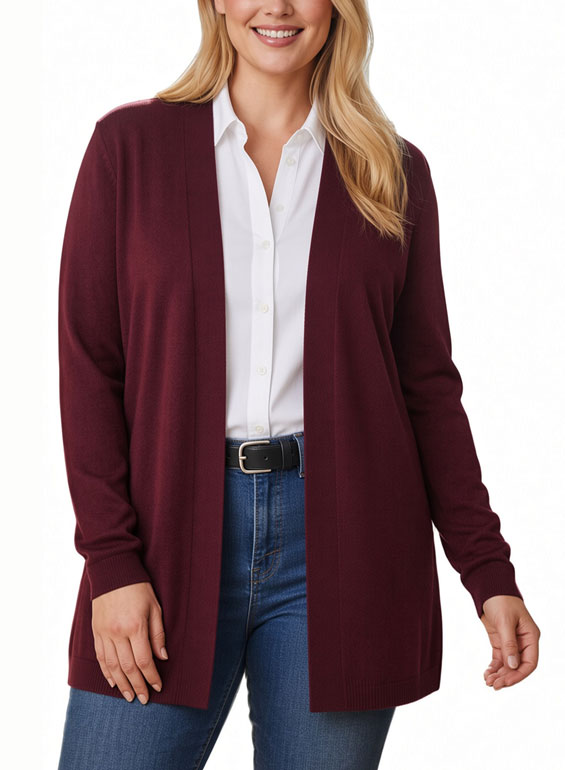
Casual, Creative, or Tech
- Crisp white shirt or a polished knit top
- Dark, clean jeans or tailored chinos, no rips
- Structured jacket or knit blazer
- Clean leather sneakers or ankle boots, no logos or distressing
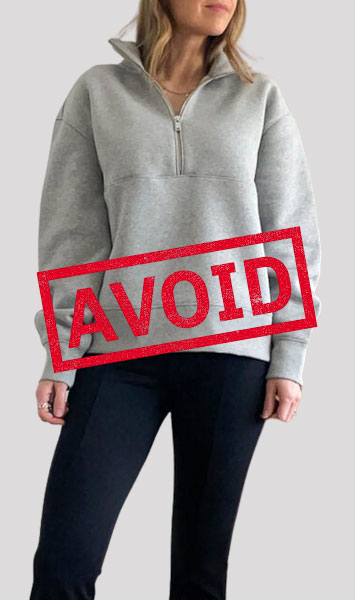
What to Avoid
- Hoodies, sweatshirts, gym sneakers, flip-flops, or ripped denim
- Graphic tees, slogan shirts, or loud logos
- Overly casual fabrics like sweatpants or yoga wear
- Anything sheer, low-cut, or too short for sitting comfortably in front of an interviewer
Interviewing on a deadline? Style Fix Studio clients in Boston and nationwide book a 30–45 minute remote styling power session for last-minute interview wardrobe needs. Working over video, a stylist helps you pull together what’s already in your closet or points you to a fast, targeted purchase, so a tight timeline never becomes the reason you walk in underdressed.
Why Interview Attire Matters for Career Women
First impressions form within the first seven seconds of meeting someone, and wardrobe styling can shape hiring impressions inside that same window because clothing communicates professionalism, attention to detail, and cultural fit before you say a word. A study published in Personality and Social Psychology Review found that clothing, hairstyle, and accessories heavily shape how people perceive social identity, trustworthiness, and competence.
For women in particular, interview attire carries an extra layer of scrutiny. It signals whether you understand workplace norms, can represent the company well, and have made intentional choices rather than an afterthought. That first impression is hard to reverse once it’s formed, which is why an interview wardrobe deserves as much preparation as your talking points.
There’s a psychological benefit as well. When you dress appropriately and feel confident in what you’re wearing, anxiety drops, posture improves, eye contact strengthens, and speech flows more naturally. This isn’t about wearing expensive labels. Fit, neatness, and alignment with company culture matter far more than any brand name. At Style Fix Studio, we see this pattern repeatedly: women who show up in a dialed-in interview outfit perform better and report more callbacks throughout the process, especially when they’re navigating an unfamiliar industry or interview format for the first time.
Decoding Dress Codes for Women: Formal, Business Casual, and Smart Casual
Researching a company’s dress code before an interview is essential to choosing the right attire. Terms like formal, business casual, and smart casual carry very different meanings depending on industry, location, and company size.
Formal / Business Professional (Boston financial firms, Big Four consulting, law firms): A skirt suit, pantsuit, or sheath dress with a matching blazer in navy or charcoal, closed-toe dress shoes, and minimal accessories.
Business Casual (established tech companies, marketing agencies, universities): Separates work well here — a blazer with trousers or a tailored skirt, or a polished blouse with dress pants. Collared shirts, closed-toe shoes, and subtle patterns are welcome.
Smart Casual (early-stage startups, creative studios, remote-friendly roles): Dark jeans or chinos with elevated knitwear or an unstructured blazer. Clean leather sneakers, boots, or flats. Still put-together, never sloppy.
For more on navigating this dress code, see this guide on business casual clothing for women, or browse our Corporate Styling Workshop tips on dressing for success at every formality level.
How to research: check LinkedIn photos of current employees, browse Glassdoor interview reviews, look at the company’s Instagram, or simply ask HR what candidates typically wear. A reliable rule of thumb is to dress like the most formal 25% of the office — one to two notches more polished than the daily dress code. That shows interest without looking out of place. Style Fix Studio helps clients decode confusing formality cues like “startup casual” during remote styling sessions, finding the balance between overdressed and underprepared.
Building the Core Interview Wardrobe for Women: Must-Have Pieces
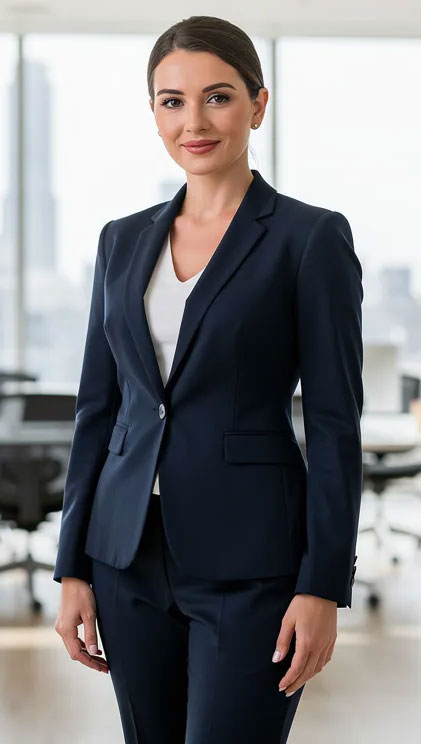
A small, curated interview wardrobe beats an overflowing closet of mismatched clothing every time. With six versatile anchor pieces, you can cover interviews across multiple dress codes and industries, which matters most when you’re pivoting into a field with different norms than your last job.
- A dark blazer in navy or charcoal. It pairs with trousers, skirts, dresses, or jeans, and a fitted third layer like this creates a flattering silhouette at any formality level.
- Tailored trousers or a pencil skirt in charcoal, navy, or camel. Mid-weight, structured, and comfortable when seated.
- Dark, clean, non-distressed jeans for smart casual settings. Paired with a tailored blouse, dark jeans read sharp without overdoing it.
- A classic white blouse plus one light blue or soft neutral blouse, with clean necklines and enough structure to hold shape under a jacket.
- One simple, knee-length dress or jumpsuit that layers well under a blazer or cardigan.
- Neutral leather shoes: loafers, low block heels, pumps, or sleek ankle boots. Black or brown maximizes versatility.
These six items mix and match into at least four to six distinct interview outfit combinations. The blazer over trousers and a blouse covers business formal. The blazer over jeans and a knit handles creative environments. The dress alone works well for nonprofit roles or virtual interviews.
Fabric matters more than most women realize. Wool blends, ponte knits, and Tencel blends resist wrinkles far better than pure cotton or linen, which matters if you’re commuting through Boston weather or interviewing across multiple rounds in a short window. For a deeper look at which textures actually work for your shape, see Understanding the Best Fabrics for Your Body Type. Style Fix Studio’s Wardrobe Makeover builds these foundations through a closet audit and personal shopping, so every piece earns its place, whether you’re stocking a wardrobe from scratch for a new field or filling gaps before a final round.
The Power of the White Blouse and Other Interview Staples
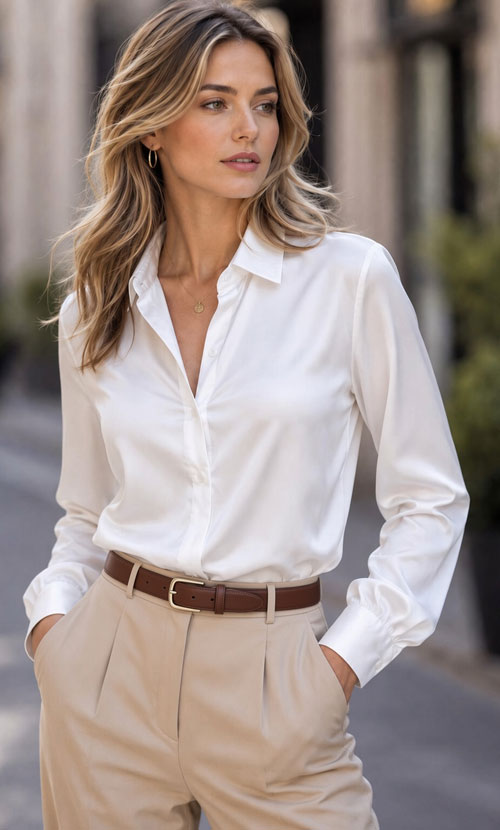
The white blouse remains a timeless interview staple for women. Even as workplaces grow more casual, a crisp white blouse communicates clarity, precision, and professionalism in nearly any environment.
What Makes a Great White Blouse for Interviews
- Opaque fabric that doesn’t show undergarments
- Shoulder seams that sit at the shoulder line, sleeves reaching the wrist bone
- A neckline that lies flat and neat under blazer lapels, without gaping
- A small percentage of stretch, around 2–5% elastane, for comfort during long days
Alternatives If a Classic Blouse Isn’t Your Style
- Ivory or off-white silk blouse: less stark, often more flattering
- Fine-gauge merino knit with a high crew or mock neck
- Softly structured top with subtle draping that reads professional without stiffness
Color variations like light blue, soft gray, or pale blush can be more flattering for some complexions than stark white while still reading as formal. Choosing colors that complement your complexion matters, especially on camera, where a slightly warmer ivory can present better than a cold white that washes you out.
Care tips: steam or iron the night before, use a garment bag for transport, and always prepare a backup top in case of spills. Style Fix Studio’s color analysis sessions help clients identify the most flattering interview neutrals instead of defaulting to shades that don’t suit them.
Color Psychology: What to Wear to a Job Interview as a Woman
Color can shape how you’re perceived in an interview before you say a word. Your outfit’s palette is part of the message you’re sending.
| Color | Impression It Sends | Best For |
|---|---|---|
| Navy | Reliability and calm confidence | Corporate, finance, and nearly any formal interview |
| Charcoal gray | Authority without harshness | Consulting, law, and government roles |
| Black | Confidence and authority | Creative fields and senior-level roles |
| White | Clarity and organization | Any industry, especially on video calls |
| Soft blue or teal | Approachability and open communication | Marketing, education, and nonprofits |
| Deep green or burgundy | Stability with quiet individuality | Roles where subtle personality is welcome |
Blue is associated with trust and reliability in interview settings, which is part of why navy remains one of the safest choices across industries. Black conveys confidence and authority, though it works best softened with a lighter blouse underneath. A neutral palette of navy, charcoal, and black forms the backbone of any professional interview wardrobe for women.
For more on building outfits around this palette, explore these navy color combination ideas, which translate well to interview settings.
Introduce color through a blouse, shell under a blazer, or a subtly patterned scarf, and keep patterns muted. Avoid neons, busy prints, or high-shine fabrics that distract, especially on video.
Research on video-call perception found that solid colors contrasting with the background improve perceived competence on camera. Style Fix Studio uses professional color analysis to identify each client’s best tones so an interview outfit enhances skin tone and creates a strong impression on screen.
The Best Interview Outfits for Women by Industry
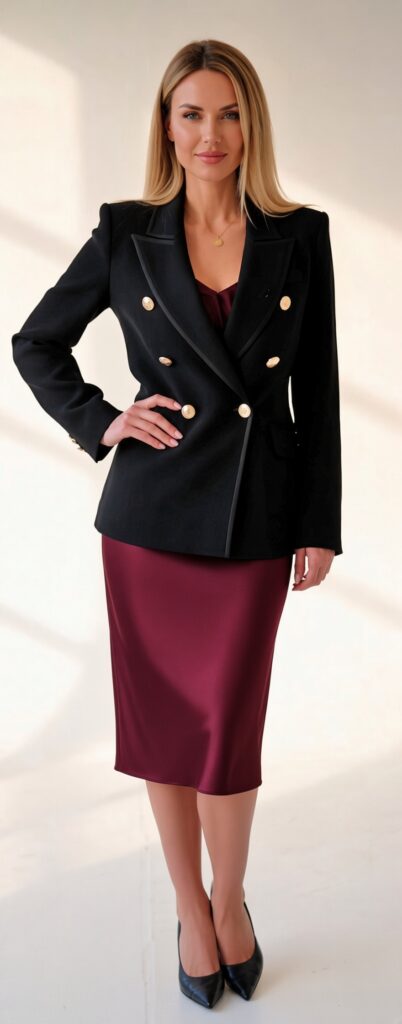
A strong interview wardrobe reflects both your personality and the norms of your target industry. Here are concrete interview outfit ideas for women organized by field, which matters most if you’re moving between industries and unsure what “normal” looks like in the new one.
Corporate & Finance: For conservative companies, opt for a black or navy suit — skirt or pants — with a white or light blue blouse. Minimal jewelry, a slim leather belt, a classic watch, and polished dark shoes. Formality is highest here, and the details matter most.
Law & Government: A structured blazer or tailored skirt suit. Muted colors: navy, gray, camel. Knee-length hemlines, closed-toe flats or low heels, and an understated leather bag or folio.
Tech & Startups: Business casual leaning smart casual. Dark chinos or clean jeans, a sharp knit or blouse, an unstructured blazer, and clean leather sneakers or loafers. This environment rewards looking polished without looking stiff.
Creative Roles (Design, Marketing, Media): Start with tailored basics, like black trousers and a well-cut blazer, then add one or two distinctive elements: a textured top, subtle statement earrings, or a shoe in an unexpected color. Show aesthetic sense without letting accessories overshadow your qualifications.
Education & Nonprofits: Soft tailoring in breathable, comfortable fabrics. Cardigans, knit blazers, and flats or low wedges suitable for walking between buildings. The goal is to present as approachable and competent.
For inspiration on balancing personality with polish, see these styling tricks from a personal stylist, or browse the Fall-Winter Business Casual Outfits for Women gallery for visual references by season. Style Fix Studio adjusts recommendations for Boston’s climate, layering for snowy winters and choosing breathable fabrics for humid summers, and for clients interviewing virtually across the country, where camera appearance is the priority.
Fit, Grooming, and the Details That Make the Difference
Impeccable fit and careful grooming often matter more than any brand on the label. A well-tailored, modestly priced blazer will stand out over a designer jacket that pulls at the shoulders.

Key Fit Checkpoints
- Jacket shoulders aligned at the shoulder seam, sleeves showing about a half-inch of blouse cuff
- Trousers or skirt comfortable at the waist, with an appropriate length and break
- Dress or skirt hemline at or slightly above the knee, modest when seated
- Blouse neckline lies flat without gaping or pulling across the chest
Prioritize comfort alongside appearance. If your clothes restrict movement, your confidence will suffer. Tailoring is one of the highest-return investments in a career wardrobe.
Grooming Essentials
Clean, well-kept hair reads well in any setting, whether that’s a sleek bun, defined curls, or a smooth blowout. Nails should be trimmed or neatly manicured, with neutral polish if worn. Fragrance should be subtle or skipped entirely. Makeup, if used, should focus on even skin and alert eyes — polished, not heavy.
Finishing Touches
Shoes should be well maintained and polished, with clean soles and no scuffs. Minimalist jewelry works best in interview settings: stud earrings, a thin chain, a simple watch. A structured handbag or folio large enough for a notebook completes the look. For deeper guidance, see these resources on choosing the right shoes for your outfit and accessorizing thoughtfully. During a closet audit, Style Fix Studio helps clients catch overlooked details, like missing buttons, loose threads, or stained collars, and connects them with trusted tailors.
Virtual vs. In-Person Interviews: Styling for the Camera
Modern hiring blends video calls and in-person rounds, and each format calls for slightly different styling choices.
For Virtual Interviews

- Use natural front lighting; avoid harsh backlighting that puts your face in shadow
- Choose a clean, non-distracting background that doesn’t clash with your outfit
- Wear solid colors; avoid tight stripes or busy patterns that cause moiré flicker on camera
- Wear a complete outfit, not just a blazer over sweatpants; posture and confidence are affected by what you wear from head to toe
For In-Person Interviews
- Plan for commute logistics; Boston weather means layers, rain protection, and fabrics that travel well
- Account for temperature swings between outdoor cold and air-conditioned interiors
- Test walking, sitting, and reaching in your outfit at home so there are zero surprises
Camera framing makes the neckline and shoulders especially important when only the top half is visible. Avoid jewelry that jingles or catches light aggressively. Style Fix Studio runs remote styling sessions where clients try on pieces over video so a stylist can see exactly how the outfit reads on camera and adjust in real time, which is especially useful when a final-round interview lands with only a day or two of notice.
Common Interview Wardrobe Mistakes Women Make
Avoiding a few frequent errors can instantly elevate an interview outfit. These are the slip-ups we see most often.
Fit and Style Mistakes
- Wearing clothes one size too small or too large; baggy suits and tight blazers both undermine confidence
- Misreading the dress code and showing up in gym wear or overly formal black-tie attire
- Over-accessorizing with large statement jewelry, noisy bangles, or shiny belts
- Choosing uncomfortable shoes that cause limping or visible discomfort
Preparation Mistakes
- Forgetting to check for pet hair, lint, deodorant marks, or price tags still attached
- Wearing overly revealing, sheer, or too-short clothing, even under blazers
- Skipping a test-run of the full outfit before the day
Digital-Era Mistakes
- Walking into the room with earbuds still in
- Smartwatch notifications buzzing mid-conversation
- A virtual background color that clashes with your blouse or jacket
A simple pre-interview checklist covering outfit, grooming, bag contents, and backup items dramatically reduces these mishaps. The details are exactly what interviewers notice.
Frequently Asked Questions
What should a woman wear to a job interview?
A skirt suit, pantsuit, or tailored separates in navy, charcoal, or black, paired with a crisp white or light blue blouse and closed-toe shoes, works across most industries. The exact formality depends on the company and role, so research the dress code first and lean slightly more polished than the daily office norm.
What is considered appropriate interview attire for business casual roles?
Business casual interview attire for women typically means a blazer with tailored trousers or a skirt, or a polished blouse with dress pants, collared shirts, closed-toe shoes, and minimal accessories.
What colors should I avoid in a job interview?
Avoid neon colors, busy prints, and high-shine fabrics, which can distract in person and cause flicker on video calls. Neutral tones like navy, charcoal, black, and white are safer choices that read as polished across industries.
How can I put together an interview outfit quickly when I don’t have much time?
Start with one core piece, like a dark blazer, and build around it with a neutral blouse, tailored trousers or a knee-length dress, and clean, closed-toe shoes. If time is genuinely tight, an online personal styling session can help you assemble an interview-ready outfit from your own closet in under an hour.
Does what I wear actually affect whether I get the job?
Clothing itself doesn’t do the job for you, but it shapes first impressions, which form within seconds and influence how competence and trustworthiness are perceived. Dressing appropriately also tends to boost confidence, which can improve posture, eye contact, and how naturally you speak during the interview.
How Style Fix Studio Helps Career Women Build an Interview-Ready Wardrobe
Style Fix Studio is a Boston-based personal styling and image consulting studio serving women locally and nationwide. We specialize in helping busy career women look and feel their best for the moments that matter, and few moments carry more weight than a job interview, especially one tied to a real career change.
Services Built for Interview Preparation
- Wardrobe Makeover: Combines a closet audit, body shape analysis, color analysis, and personal shopping focused on work and interview needs, so you build a cohesive professional wardrobe instead of guessing piece by piece.
- Online Personal Styling: For women anywhere in the U.S. who need fast interview outfit ideas or longer-term career wardrobe planning. A stylist offers advice tailored to your target industry’s norms, so your outfit matches the culture of every company on your list, even on a tight deadline.
- Personal Color Analysis and Color Consultation: Identifies the neutrals and accent colors that photograph and read best on you, in person and on camera.
- In-Person Shopping Trips: We guide Boston-area clients through the city’s best shops to find suits, business casual separates, and shoes that fit both body and budget.
Real Results from Real Clients
A mid-career professional pivoting from academia to biotech in Cambridge came to us wearing oversized cardigans and wide-leg linen. We updated her wardrobe to tailored trousers, knit blazers, and structured flats, and she landed her target role within two interview rounds. Another client, interviewing remotely for final rounds in New York, built a small capsule wardrobe with us that worked seamlessly on video and in person.
Your interview wardrobe is one of the few things entirely within your control before the big day. When your clothes work for you, you’re free to focus on what actually matters: showing them why you’re the right hire.
Free initial consultations are available for new clients. Book yours today and walk into your next interview knowing every detail is handled, whether that interview is next month or tomorrow morning.