
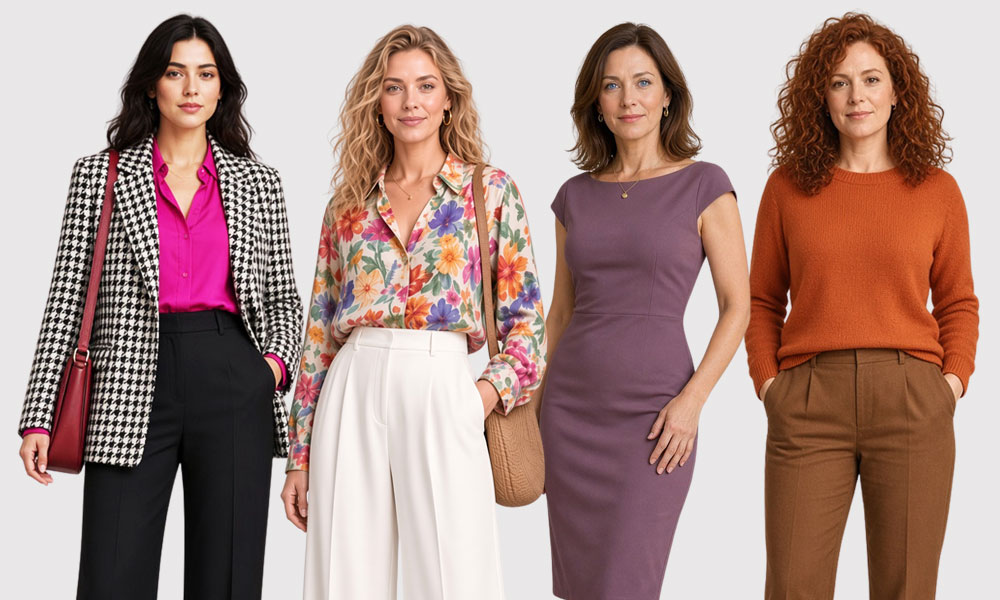

Certified Personal Stylist & Owner of Style Fix Studio in Boston, MA
Closet Audit | Color Analysis | Personal Styling
StyleFixStudio.com
Ever notice how one shirt makes you look rested and glowing while another leaves you looking tired for no reason? That’s not a fluke — it’s exactly what personal color analysis is designed to explain. In this guide, we’ll walk through what actually happens when you wear your right colors versus the wrong ones.
You already know the feeling: some colors make you feel like the best version of yourself, and others leave you looking tired before you’ve even left the house. That’s not in your head — it’s the entire reason personal color analysis exists. In this guide, we’ll walk through what actually happens when you wear your right colors versus the wrong ones, why almost nobody fits neatly into a single “season,” and how knowing your best colors can save you time, money, and a lot of wardrobe frustration.
What Is Color Analysis, and Why Does It Actually Matter?

Color analysis is the process of figuring out which clothing colors, makeup shades, and hair colors work with your natural coloring — your skin tone, eye color, and natural hair — instead of against it. It borrows from color theory to identify which hues, depths, and intensities reflect light onto your face in the most flattering way.
So why should you care? Because the right colors create visible, immediate changes that have nothing to do with skincare or makeup. Wear colors aligned with your natural coloring, and your skin looks brighter and more even, under-eye shadows and redness soften, and your eyes look clearer. The overall effect reads as healthier and more polished — without a single new product in your bathroom cabinet.
Key benefits at a glance:
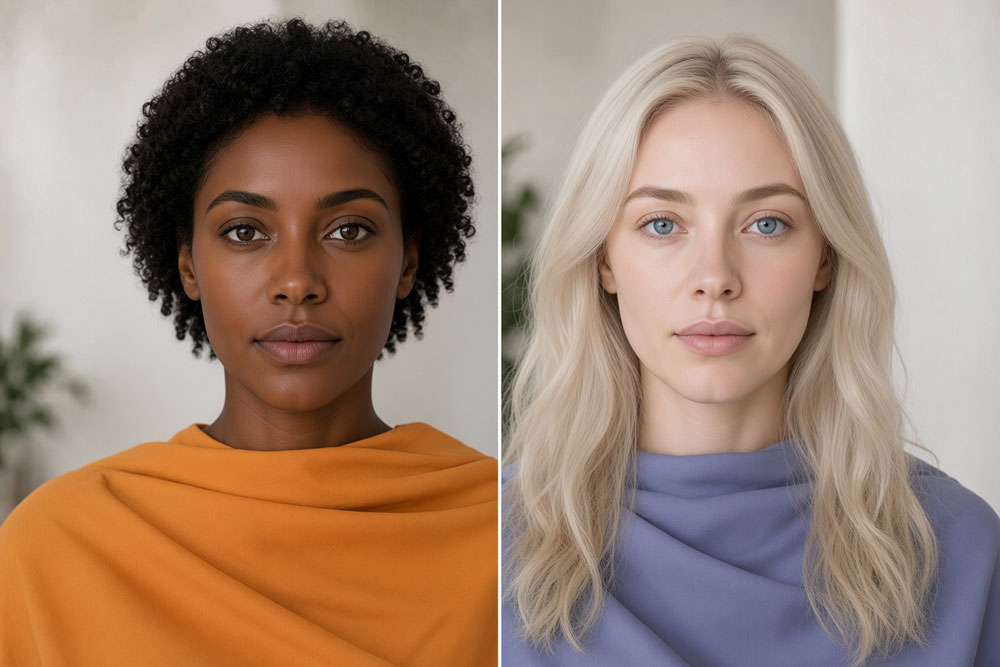
- Skin appears smoother, more even, and more radiant
- Dark circles and redness look visibly reduced
- Eyes appear brighter and more defined
- Shopping becomes faster and more intentional
- Your wardrobe works together instead of feeling random
- It’s easier to choose cosmetics — lipstick, blush, foundation — that actually complement your skin
How Colors Affect Your Appearance (Before and After, No Filter Needed)
The difference between your best colors and the wrong ones shows up right on your face. Colors that work with your natural coloring are sometimes called your “fabulous colors,” and they share the same underlying color dimensions as your skin, hair, and eyes. Get it right, and imperfections soften almost unfairly easily.
Wearing your right colors:
- Skin looks smooth, even, and warm or luminous, depending on your undertone
- Dark circles under the eyes look softer and less noticeable
- Redness and blemishes blend into the overall skin instead of standing out
- Lines and shadows around the nose and mouth are minimized
- Eyes look bright and the whites appear clearer
- You look awake and energized — people notice you, not the outfit
Wearing the wrong colors:
- Skin looks sallow, grey, or unevenly flushed
- Under-eye darkness deepens and becomes the first thing people see
- Blemishes, redness, and uneven texture get amplified
- Facial lines and shadows look more pronounced
- The clothes “wear you” instead of the other way around
- Colors that clash with your palette leave you looking drained
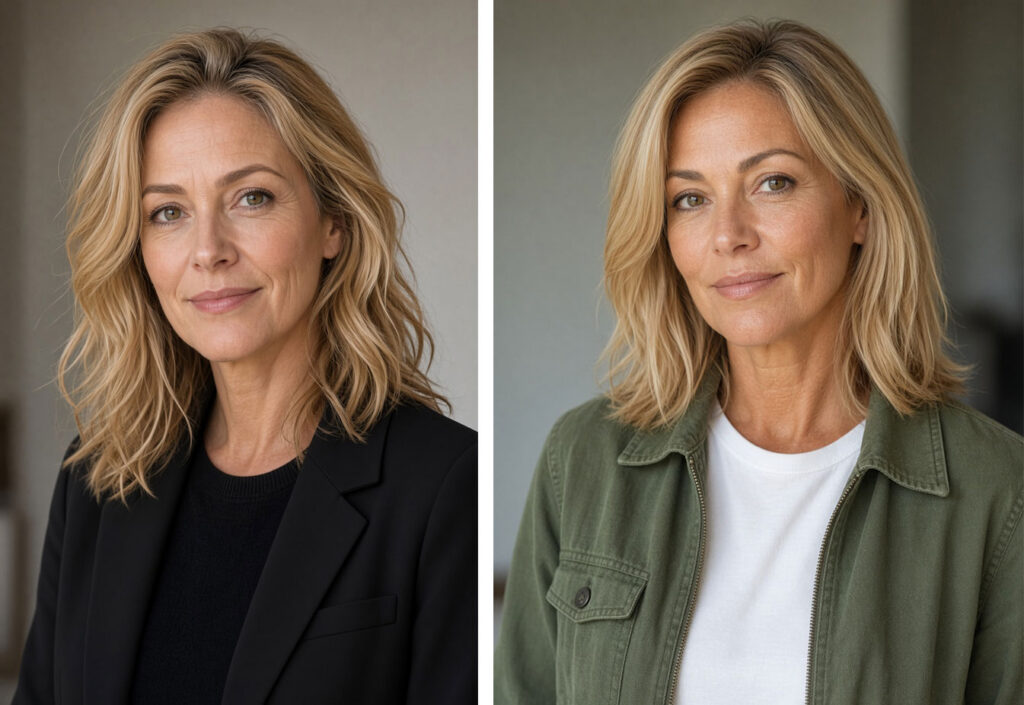
Here’s a simple way to picture it: someone with warm undertones tries on a soft olive jacket, then an icy black blazer. In the olive, their skin glows and their eyes look rich and defined. In the icy black, their complexion goes flat and the shadows under their eyes deepen. Same person, same lighting — completely different result.
At Style Fix Studio, clients often tell us friends asked if they’d started a new skincare routine or gotten more sleep, when the only thing that changed was their color palette. That’s how visible the shift really is.
Color Theory Basics: The Science Behind Personal Color
Personal color analysis rests on three core dimensions that decide whether a shade flatters you or fights you. The underlying ideas have been studied for close to two centuries and are still the foundation of how professional analysts work today.
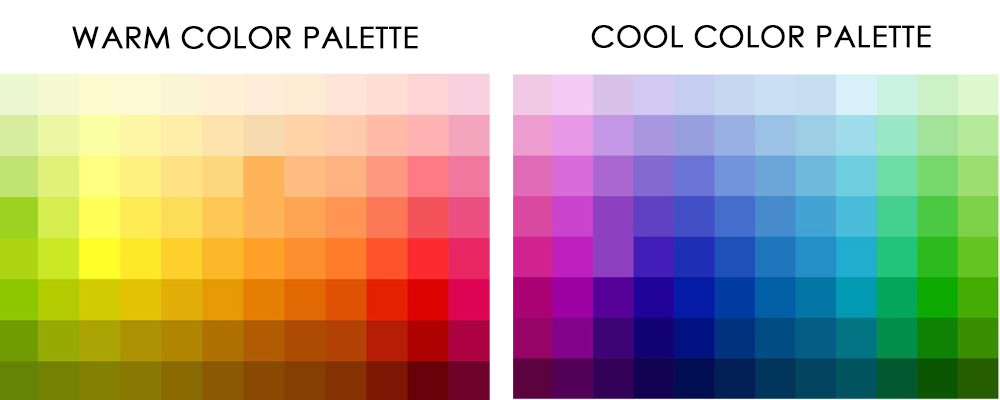
- Temperature (Hue): Whether a color leans warm or cool. A tomato red has warm, yellow undertones; a cranberry red has cool, blue undertones. If your coloring runs warm, you’ll gravitate toward warm yellow and golden shades. If it runs cool, cool blue and rose-based colors will feel more natural.
- Value (Depth): How light or dark your overall features are. Blush pink is a light value; burgundy is a dark value. Lighter, fairer coloring often pairs well with lighter values, while deeper coloring can carry richer, darker tones without being overwhelmed by them.
- Chroma (Saturation/Intensity): How bright or muted a color reads. Dusty rose is low chroma — soft and understated. Fuchsia is high chroma — vivid and electric. High-contrast features (like dark hair against fair skin) tend to look striking in bright colors, while softer, more blended features usually suit medium or muted tones better.
When temperature, value, and chroma all line up between what you’re wearing and your natural coloring, the result is effortless. That’s the foundation of both classic seasonal analysis and the more flexible, modern approach we use at Style Fix Studio.
Seasonal Color Analysis, Explained (and Why It’s Not the Whole Story)
Seasonal color analysis groups people into four seasons — spring, summer, autumn, and winter — based on shared patterns of undertone, depth, and chroma. Spring palettes tend to be warm, light, and clear; summer leans cool, light, and soft; autumn is warm, deep, and muted; winter is cool, deep, and bright.
The four-seasons idea has been around since the mid-20th century, and it became a mainstream household concept a few decades later — which is part of why it’s still the language most people use to talk about color today, even as the methods behind it have evolved.
But the original four-season model is a starting point, not the finish line. Because so many people sit between categories, the industry expanded to a twelve-season model, splitting each major season into three sub-seasons — for example, true autumn, dark autumn, and warm autumn. Summer similarly splits into light summer, soft summer, and true summer, and winter includes true winter and dark winter, among others.
The key takeaway about seasonal analysis:
- It’s a useful shared language for talking about color
- It gives you a starting palette to orient around
- Real people rarely fit perfectly inside one box
- Your season is shaped by skin undertone and hair color, and those features often blend across boundaries
- A good analyst treats seasonal categories as a guide, not a cage
At Style Fix Studio, we use the seasons as a shared vocabulary — not a rulebook that limits what you can wear. Curious what a specific season looks like in practice? Take a look at our guides to the true spring color palette and thevtrue winter color palette.
Most People Have Mixed Color Palettes, Not Just One Season
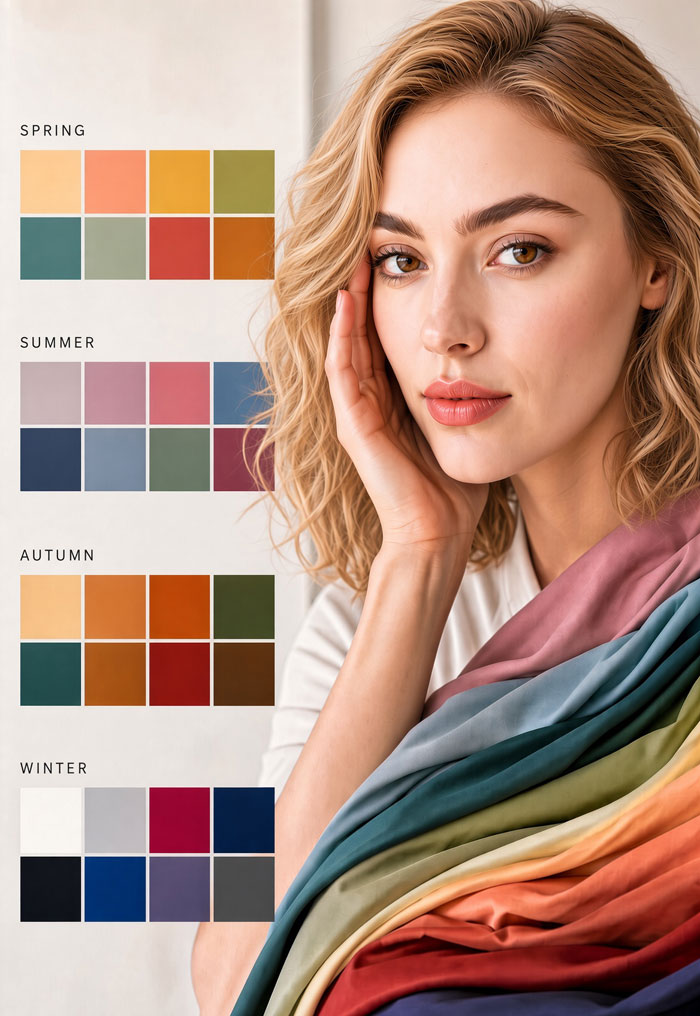
Here’s something that surprises most people: you probably aren’t just one season. The idea that everyone fits neatly into a single color type is one of the biggest misconceptions about color analysis. In reality, plenty of people sit between two seasons or have standout colors that cross seasonal lines entirely.
That tracks, when you think about it. Your skin tone, natural hair color, and eye color each carry their own mix of temperature, depth, and contrast. Someone with warm-toned skin, blue eyes, and medium-dark hair is sending warm and cool signals at once — no single label captures all of that.
What mixed palettes look like in real life:
- A client who’s mostly soft autumn but glows in certain muted, cool blues borrowed from winter
- Someone neutral-cool who pulls harmonious colors from both summer and winter
- A person with warm undertones and low-contrast features who flatters in autumn colors and select soft spring shades
- Someone with grey hair and green eyes whose palette shifts cooler and clearer as their natural coloring changes over time
A modern, personalized color analysis focuses on your best range of colors across neighboring palettes, not a single locked-in category. A mixed result isn’t confusing — it’s actually more accurate, and it gives you a wider, more realistic set of colors to build a real wardrobe around.
What Really Happens in a Professional Color Analysis Session
If you’ve never had a color analysis session done, here’s exactly what to expect during a Style Fix Studio session — available virtually nationwide or in person around Boston, MA.
1. Style and lifestyle questionnaire. Before any colors come out, your analyst gathers information about your natural hair color (roots, not dye), eye color, skin surface tone, lifestyle, and wardrobe goals. This sets the direction for everything that follows.
2. Draping or digital comparison. Analysts use fabric drapes — or calibrated digital swatches during virtual sessions — held near your face under controlled, neutral lighting. The goal is to watch, in real time, what each color does to your skin, eyes, and features.
3. Reading the results. Your stylist watches for specific shifts: Does the drape reduce visible shadows under your eyes? Does your skin look more even? Do your eye whites brighten? Are lines softened or exaggerated? Warm vs. cool, light vs. dark, muted vs. bright — your analyst systematically narrows down your best range.
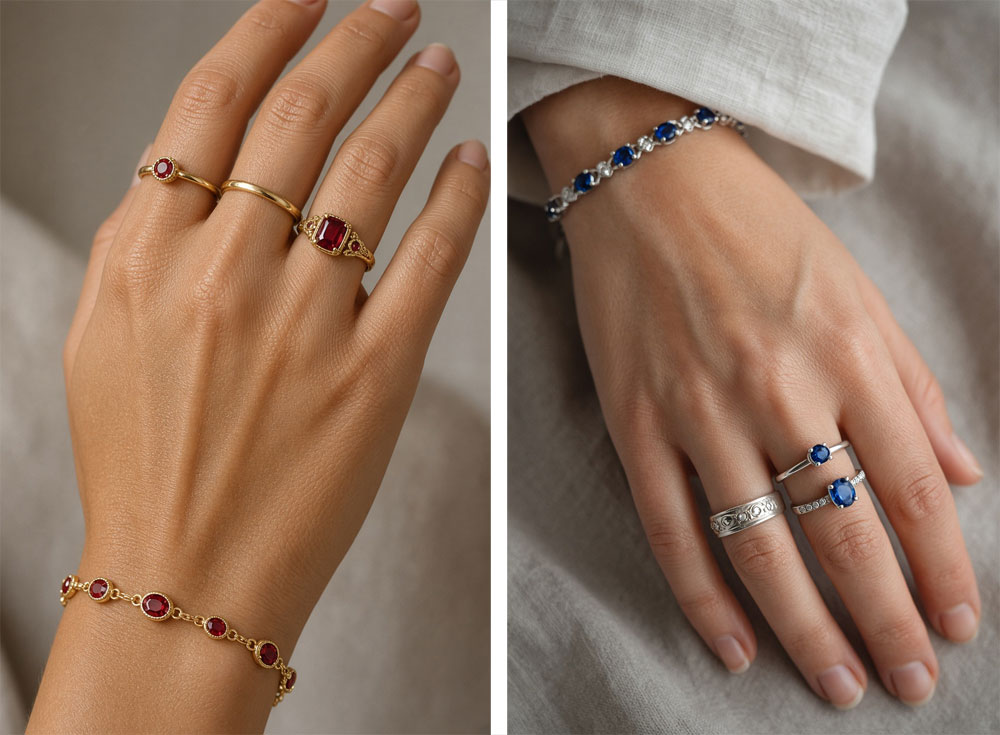
4. Metallics and contrast check. Gold versus silver jewelry gets tested to see which reflects most flatteringly against your skin. Your analyst also checks contrast — how strongly your hair, skin, and eyes differ from one another, and what level of contrast looks best in your clothing.
5. Your personal color palette. The session ends with a mapped-out palette: your core neutrals, best accent colors, recommended metals, and practical notes for clothing, makeup, hair, and accessories. You leave with a clear, usable guide, not just a season label.
How the Right Colors Change Your Wardrobe (and Your Shopping Habits)
Knowing your personal color palette turns shopping from an overwhelming guessing game into a focused, efficient process. Once you know your palette, you can walk past entire racks with confidence, knowing those shades simply aren’t for you.
Here’s where the payoff shows up:
- Faster shopping trips — you zero in on flattering colors instead of trying on everything and hoping for the best
- Fewer impulse buys — you stop purchasing pieces that “might work” but never leave the hanger
- Effortless mix-and-match — a cohesive palette means more outfit combinations from fewer pieces, which is the whole foundation of a capsule wardrobe
- A wardrobe that actually coordinates — no more “I have nothing to wear” moments with a closet full of clothes
- More sustainable choices — fewer unworn items means less waste and more intentional purchases
This is exactly where color analysis connects to Style Fix Studio’s wardrobe makeover and closet audit services. During a closet audit, we edit out the “off” colors dragging your wardrobe down and pinpoint the gaps in your key neutrals and accents.
Picture a busy Boston professional with a closet full of dark colors that all felt “safe” but never quite right. After a color analysis, she discovers her palette actually centers on soft, cool neutrals and jewel-toned accents. Fifteen pieces suddenly do the work of forty, and every outfit feels intentional. If your closet already feels like it’s fighting you, our guide to a seasonal closet cleanout walks through the same process step by step.
Skin Tone, Undertone, and Contrast: Why Your Best Colors Are So Individual
Understanding why your best colors differ from someone else’s comes down to three personal factors: surface tone, undertone, and contrast.
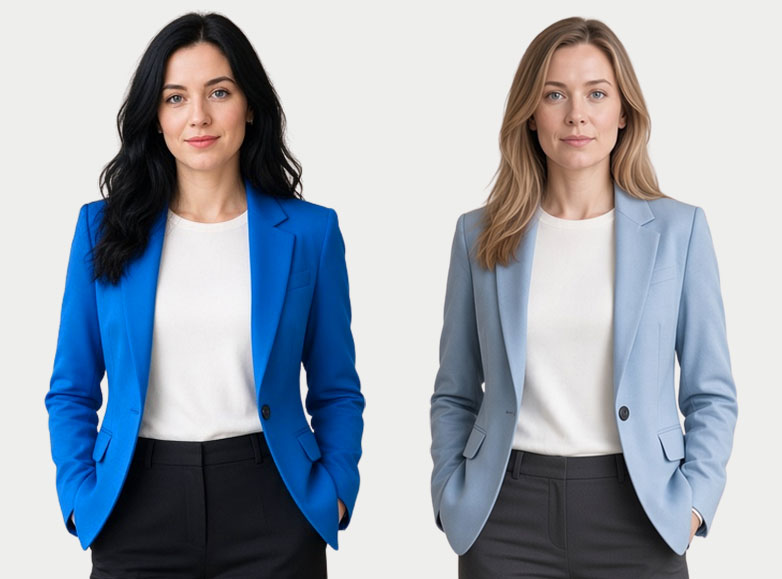
Surface tone vs. undertone. Your surface skin tone — how light, medium, or deep your skin looks day to day — shifts with sun exposure and the seasons. Your undertone is the subtler color cast beneath the surface: warm (golden, peachy), cool (pink, blue), or neutral. Undertone stays consistent no matter how tan you get or how a room is lit, and it’s the main driver of which colors flatter you. Two people can have identical surface tones and still need completely different palettes if their undertones differ.
Contrast level. Contrast describes how different your hair, skin, and eyes are from one another. High-contrast people — think dark hair, fair skin, and blue eyes — tend to look better in vibrant colors and bold pairings. Low-contrast people, where hair, skin, and eyes sit closer together in depth, usually suit softer, more tonal combinations with gentler shifts.
A few real-world wrinkles:
- Grey hair tends to shift your overall coloring cooler and often calls for clearer, crisper tones
- Freckles and facial redness can be softened by cooler, green- or blue-based neutrals near the face
- Dyed hair changes the contrast equation entirely — a trained analyst learns to look past the dye to your natural coloring underneath
A good analyst sees past makeup, self-tanner, and lighting tricks to find your true coloring and build a palette from there.
Beyond Seasons: Building Your Personal Color Palette for Real Life
A customized palette at Style Fix Studio goes well beyond a seasonal label. It includes:
- Signature “wow” colors — the shades that make people stop and compliment you
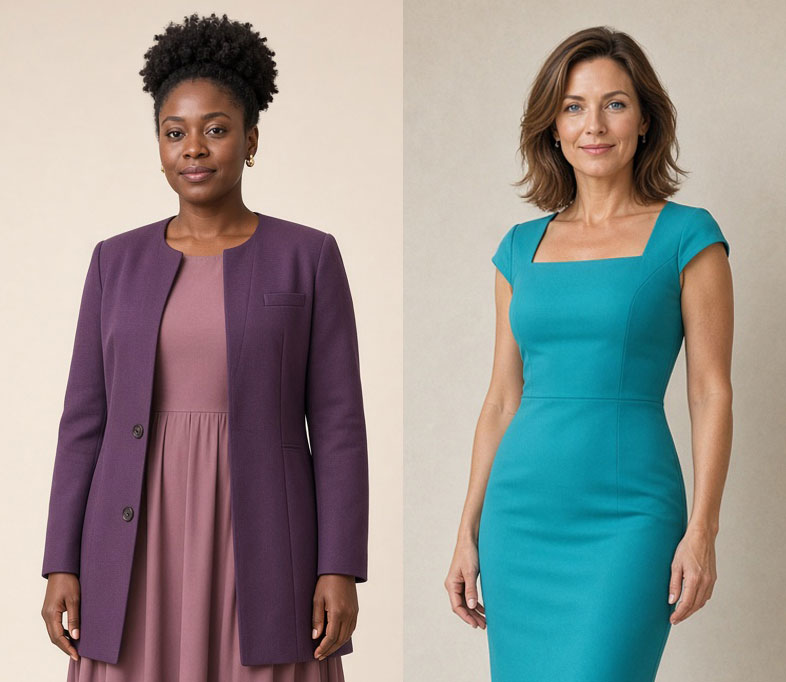
- Core neutrals — go-to base tones for suits, trousers, coats, and bags, chosen to match your undertone instead of defaulting to generic black or grey
- Secondary accents — colors that add variety and energy, from burgundy to cream
- Work vs. casual range — corporate-appropriate tones alongside weekend-friendly options
Your palette is guidance, not a mandate, and it takes your personal taste into account. Two questions come up constantly:
“Will I have to stop wearing black?” Not necessarily. But you might find that a deep navy or dark chocolate works better as your go-to neutral and makes your skin glow instead of going flat.
“Do I have to throw everything out?” Not at all. Phasing in better shades gradually is the practical approach — start with the pieces closest to your face, since tops, scarves, coats, lipstick, and glasses frames have the biggest visual impact. A pair of trousers in an “off” shade rarely matters, but a shirt in the wrong hue will show on your face every single time.
Style Tips: Using Your Best Colors Day to Day
Putting your palette to work doesn’t require a fashion degree. A few things that make a real difference:
- Tops and jackets first. Always prioritize your best colors in the pieces closest to your face. One flattering neutral jacket plus one accent color from your palette is an instantly polished look.
- A simple formula. One flattering neutral + one palette accent + one textural element (a knit, linen, or leather piece) — it works across every season, including Boston’s constant layering weather.
- Lipstick and blush. Match the undertone of your makeup to your palette. A warm-toned lip looks stunning on warm palettes; a cool berry suits cooler colorings better.
- Jewelry metals. Gold tends to favor warm undertones, silver favors cool, and rose gold works well for neutrals. The metal near your face acts almost like a permanent drape.
- Zoom calls and headshots. Cameras compress detail, so wearing your best colors near your face matters even more on screen. The right hue can make you look rested and professional without studio lighting.
At Style Fix Studio, we combine color and body shape analysis to build outfit recommendations that feel like you — not a costume. The goal is always to enhance, never to restrict.
Common Myths About Color Analysis (and Why They Don’t Hold Up)
“Color analysis is outdated.” It’s been around for decades, but the methodology has evolved a lot. Modern analysts use flexible, multi-dimensional systems instead of rigid categories, and the recent wave of interest on social media has introduced millions of people to more nuanced approaches.
“It’s just for women.” Color analysis works the same way for men. Shirt colors, suit shades, tie choices, and even facial hair framing all benefit from understanding your palette.
“It’s only about four seasons.” Four seasons is a starting framework. Most professionals now work with twelve or more sub-seasons, and plenty of clients discover they draw from neighboring palettes rather than sitting neatly in one.
“It means I can’t wear colors I love.” Your palette is guidance, not a prison. Off-palette colors can still show up in trousers, bags, shoes, or accessories — anywhere away from your face. And many people find their favorite colors were already inside their palette once it’s accurately identified. If you’re not sure how to pair a bold shade you love, check our styling guides on what to wear with purple, burgundy, orange, and fuchsia.
“A free online quiz gives the same result.” Quizzes and AI tools can point you in a general direction, but they can’t replicate real-time draping, controlled lighting, and a trained eye watching how your specific features respond. That level of accuracy still comes from a professional session, not an algorithm.
Is Professional Color Analysis Worth Paying For?
The return on investment is both financial and emotional.
Tangible payoffs:
- Fewer unworn purchases sitting in your closet
- Faster, more decisive shopping trips with less buyer’s remorse
- Less trial-and-error with makeup and hair color
- A more coherent wardrobe over time
Emotional payoffs:
A recent qualitative study asked participants to wear intentional colors for a week and found that positive affect increased while negative affect dropped — participants reported feeling happier, more confident, and more comfortable being seen. Clients preparing for career changes, professional photoshoots, or big life events consistently say their color analysis gave them a sense of clarity they didn’t expect.
DIY vs. professional: Free quizzes can point you in a general direction, but a live session gives you real-time adjustments, nuance for mixed palettes, integration with your lifestyle and body shape, and style tips you can put to use immediately. Think of color analysis as a foundational step — one that makes every other styling investment you make more effective.
Frequently Asked Questions
How long does a color analysis session take?
Most sessions run 60–90 minutes, and you’ll leave with a usable palette the same day.
Can I do color analysis virtually?
Yes. Style Fix Studio offers virtual sessions nationwide using calibrated digital swatches, along with in-person sessions around Boston, MA.
Will color analysis tell me I can’t wear black or my favorite color anymore?
No. Your palette is a guide, not a restriction — off-palette colors are still fine in accessories, shoes, or bags, and many favorite colors turn out to already be in-palette.
Is color analysis only for one of the four seasons?
No. Most people fall between seasons, and a good analysis identifies your full range across neighboring palettes rather than forcing you into a single category.
Does color analysis work for men too?
Yes — the same principles apply to shirts, suits, ties, and overall grooming choices.
Book a Color Analysis with Style Fix Studio
If you’re ready to find the colors that actually work for you, book a Color Analysis session with Style Fix Studio — available virtually nationwide or in person in the Boston, MA area. Browse the full range of personal styling services if you’re not sure where to start.
What’s included:
- A professional personal color analysis with expert draping
- A customized color palette with your best neutrals, accents, and metals
- Specific style tips for clothing, makeup, hair, and accessories
- Recommendations for a wardrobe makeover or closet audit if you want to take the next step
Start with a free initial consultation — no pressure, just a conversation about your goals.