

Certified Personal Stylist & Owner of Style Fix Studio in Boston, MA
Closet Audit | Color Analysis | Personal Styling
StyleFixStudio.com
Going through a job change, divorce, new baby, or retirement? Learn how to rebuild your style after a life transition with a simple, practical style reset.
Your Sense of Style After a Life Transition

You got the promotion, welcomed the baby, signed the divorce papers, or finally retired — and then opened your closet and nothing made sense. A sense of style is how you express who you are through clothing: not trend-chasing, but a practical reflection of your values, energy, body, and daily reality. When identity shifts, wardrobe logic often breaks with it, chipping away at confidence and making getting dressed harder than it should be.
At Style Fix Studio, we work with clients in Boston and nationwide who are rebuilding their style after exactly these before-and-after moments — a new job, a new baby, a divorce, a move, a retirement. This guide walks through why transitions scramble your style, quick fixes for the most common ones, and a simple process for rebuilding a wardrobe that actually fits your life again.
Why Life Transitions Scramble Your Style
Big changes hit your wardrobe after a life transition in three ways:
- Body: weight change, pregnancy, aging, or injury alter your proportions and comfort in certain cuts.
- Schedule: a new commute, childcare, eldercare, or remote work changes which fabrics and silhouettes actually work for your day.
- Identity: a promotion, divorce, or retirement sends a different signal — clothes that fit your old role can send the wrong message in your new one.
This isn’t superficial. Research on enclothed cognition shows that clothing doesn’t just reflect how you feel — it shapes how you think and act, which is why a mismatched wardrobe creates real friction, not just an aesthetic problem.

Style Fixes for the Most Common Transitions
- First job after school: build a small rotation — 3–4 trousers, two blazers, 5–6 versatile tops, one dark jean, and shoes that survive a real commute.
- New job, promotion, or industry switch: use a keep/tweak/retire filter. Keep pieces that translate across settings. Tweak formal pieces into casual pairings. Retire anything that signals the wrong culture.
- Back to grad school: de-formalize old office pieces (trousers with sneakers, blouses under blazers) instead of rebuilding on a smaller budget.
- New pet, baby, or caregiving role: prioritize washable, mess-resistant fabrics, flexible waistbands, and crossbody bags over anything delicate.
- Hybrid or return-to-office work: build one flexible wardrobe instead of three separate ones. Mid-tone solid colors read best on camera.
- New commute: match footwear and outerwear to how you actually travel — weatherproof shoes for walking, tapered pants for biking, wrinkle-resistant layers for transit.
- Divorce or dating again: expect to retire a few “ghost clothes” tied to a past chapter, and invest in pieces that make you feel like yourself again.
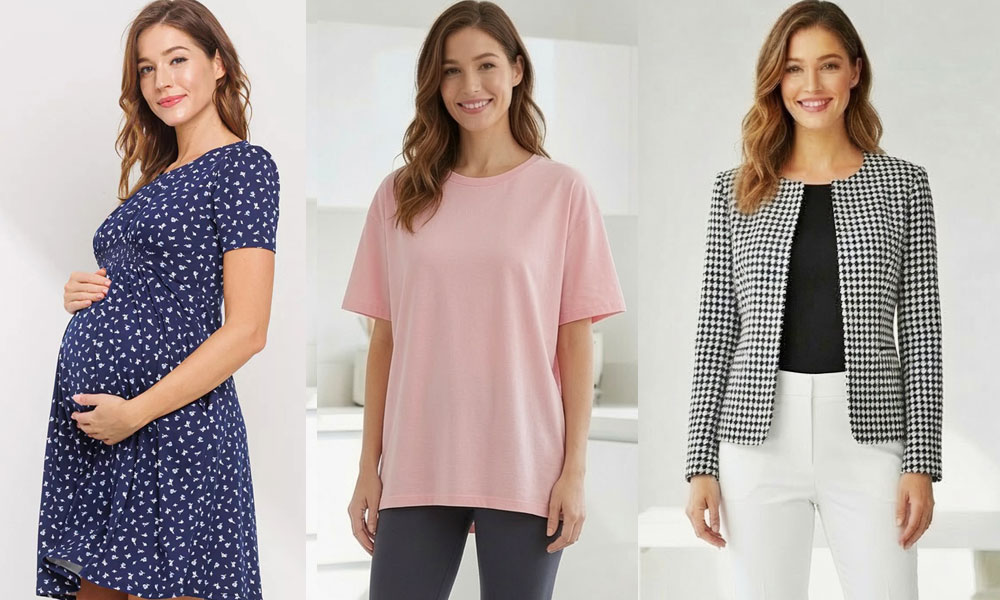
- Postpartum: dress the body you have now, not a “goal” size. Nursing-friendly, high-rise, washable pieces reduce daily friction during a physically unstable year.
- Retirement: resist defaulting to sweatpants or clinging to old office suits. Build around travel, volunteering, and community life instead.
- Body or health changes: sort your closet into three piles — fits now, needs minor tailoring, release with gratitude. Tailoring is almost always cheaper than replacing.
One client came to us after adopting a puppy and having a baby in the same year, describing herself as “permanently sloppy.” After a closet audit and targeted shopping, she had 15 polished, fully washable outfits she could put together in under three minutes — the first time in 18 months she felt like herself getting dressed.
For a deeper dive on two of the most-asked-about transitions, see our guides to
Choosing the best fabrics for your body type and finding your personal style.

Rebuild Your Style After a Life Transition in Four Steps
- 1. Name your “before” and “after.” Write two short lists: what your days, commute, budget, and body looked like before, and what they look like now.
- 2. Answer three core questions. What three words do you want your outfits to say about you right now? What are you chronically over-buying? What’s actually missing?
- 3. Do a closet audit. Sort everything into keep, tailor, donate, and maybe. One client cut her morning routine from 25 minutes to 8 after an audit.
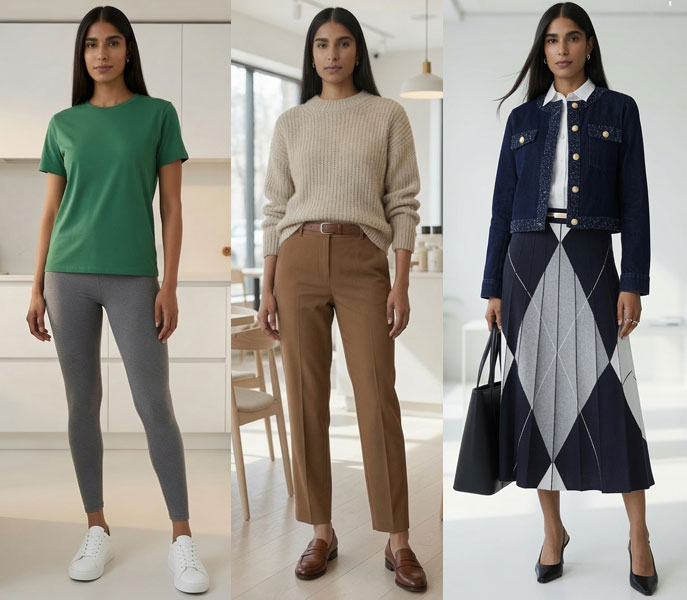
- 4. Build a transitional capsule. A 15–30 piece bridge wardrobe — tops, bottoms, a couple of dresses, layers, shoes, bags, outerwear, and accessories — built around 3–4 base colors.
Shop with a specific list, not your emotions: foundations first (properly fitted bras, shoes, everyday bottoms), then statement pieces like a blazer, dress, or coat.
Style Myths Worth Retiring
- “I shouldn’t buy anything until my weight is stable.” Dress the body you have now.
- “Good style means following trends.” Trends are ingredients, not recipes.
- “Moms can’t be stylish.” Practical and polished aren’t opposites.
- “Retirees don’t need real clothes.” Retirement often means more social life, not less.
- “I can’t afford to care about style.” A closet of unworn impulse buys costs more than a few well-chosen pieces.
FAQ: Rebuilding Your Style After a Life Change
How do I regain my sense of style after a major life change?
Start with a closet audit to separate what still fits your life from what doesn’t, then build a small transitional capsule wardrobe around 3–4 base colors instead of replacing everything at once.
What is a transitional capsule wardrobe?
A 15–30 piece mini-wardrobe designed to carry you through an unstable period — a new job, a new baby, a move, or the first months of retirement — rather than a permanent, finished closet.
How often should I do a closet audit?
At least once a year, and any time a major transition changes your body, schedule, or role. In many closets, 30–40% of items haven’t been worn in over a year.
Do I need to buy a whole new wardrobe after a life transition?
No. Most people need targeted additions — foundations like bras, shoes, and everyday bottoms — plus tailoring on pieces that almost fit, not a full replacement.
Is virtual styling as effective as in-person styling?
For most needs, yes. Virtual styling covers a closet review by video call, a digital lookbook, and a shoppable list, and works especially well for postpartum, relocation, or anyone without local access to a stylist.
Can I do a closet audit myself, or do I need a stylist?
You can do a basic version yourself: block three hours, try on one category at a time, and be honest about anything unworn in the past 12 months. A stylist adds objectivity, especially when clothes carry emotional weight from a past chapter, and typically finishes the process faster.
How Style Fix Studio Can Help
Whether you’re navigating a first job, a divorce, postpartum, or retirement, our Signature Wardrobe Makeover combines a closet audit, personal shopping, and try-on sessions. Prefer to work remotely? Our virtual styling packages bring the same guidance anywhere in the country, built on a color analysis foundation for every future purchase.
Ready to start updating your style after a life transition? Book your free consultation with Style Fix Studio — in person in Boston, or virtually from anywhere.